

The iPhone 17 Pro Camera Is Great, But The Smart Photographer Buys A Cheaper Phone
We may receive a commission on purchases made from links.
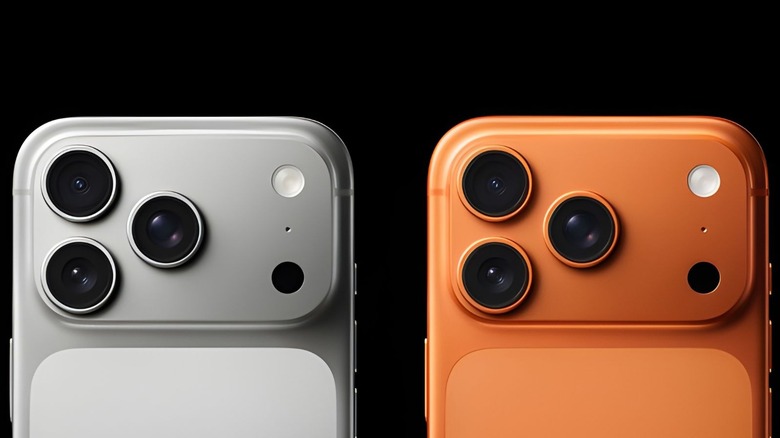
Apple fan or not, there's no denying how much of a high bar iPhone 17 Pro sets for smart photography, including video. Its triple camera array adds up to accurate color representation, reliable HDR, and support for premium file formats such as ProRes and Apple Log. The problem is the Apple tax that makes the 256 GB model cost about $1,099.99. The iPhone 17 Pro has been earmarked as a fantastic handset since it was announced in September 2025, but frankly, there are better and similar offerings in the Android camp for less.
Android devices undercutting or out-specking the iPhone is nothing new, but there are plenty of Android flagships matching or exceeding the iPhone 17 Pro when it comes to camera performance. They have larger sensors, longer optical zoom ranges, higher native resolutions, and better computational photography. If that all sounds like tech jargon, these features result in more user control for shooting styles, color processing, and zooming in and out, because no one likes relying on digital zoom for anything. More importantly, they won't set a buyer's wallet on fire.
There's no question that smart photographers are in for a great experience with iPhone 17 Pro, thanks to its 48-megapixel main camera, 48-megapixel ultrawide camera, and 48-megapixel telephoto camera, but it's not the best value for money when consumers take a look at Android-powered handsets. Here are five Android phones that are better bang for your buck when considering image quality, versatility, and value for money in one stunning metal and glass rectangle.
Samsung Galaxy S24 Ultra offers unmatched zoom flexibility for less
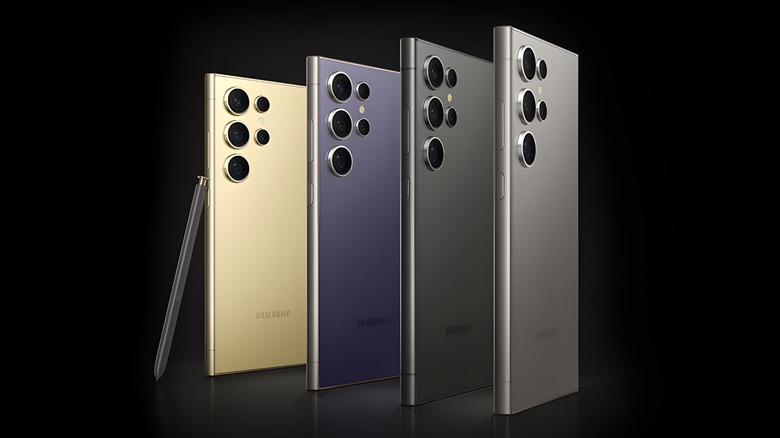
Samsung Galaxy S24 Ultra is one of the most capable photography phones available, and it's cheaper now that the S25 Ultra has launched at $825 new and around $730 in used, to like-new condition. Its 200 MP main camera uses a giant 1/1.3-inch sensor that is great for capturing detail and dynamic range, good lighting permitting, of course. Samsung implements "pixel-binning" on S24 Ultra, resulting in clean 12 MP and 50 MP images while keeping finer textures intact, which is something smaller sensors struggle with.
Zoom versatility on S24 Ultra runs rings around the iPhone 17 Pro thanks to the 3x telephoto and 5x periscope lens array, which gives users more framing options without having to digitally crop. That's not to say Apple's 4x periscope lens is bad, it's still sharp, but S24s offering is more flexible for sports, travel, and wildlife photography. Ultrawide shots are neck and neck, with solid autofocus and edge sharpness.
The iPhone 17 Pro still remains the best for video when it comes to consistency, but Samsung has slapped 8K recording, high frame rate 4K, and good stabilization. It's hardly a trade-off with specifications like that, and for users who prioritize zoom and sensor size, making the Samsung S24 Ultra a solid alternative to the iPhone 17 Pro, whilst saving $250 or more if buyers go for a pre-owned alternative.
Samsung Galaxy S25 Ultra refines hardware without iPhone pricing
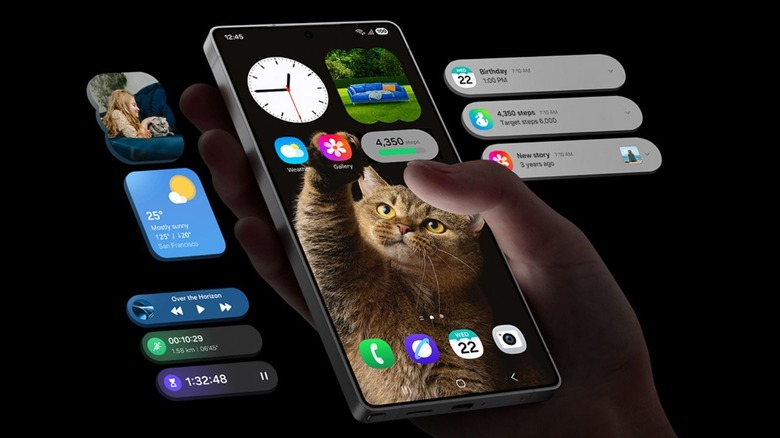
For photographers wanting the latest and greatest, Samsung's Galaxy S25 Ultra builds on S24's camera strengths while refining almost every component. Its updated 200 MP main sensor is better at light capture and has more reliable auto focus, while its 50 MP upgraded ultrawide camera has sharper detail and better low light performance than the S24. For photographers who focus on architecture and landscapes, this is a good choice.
Like the S24 Ultra, the S25 Ultra dominates when it comes to zoom. It retains the 3x telephoto and 5x periscope functionality, which are both stabilized for a wider optical range when compared to the iPhone 17 Pro. While Apple's approach to image processing is more restrained, Samsung's approach allows photographers to capture distant subjects with more native detail in the name of flexibility. S25 also rocks a faster processor, too.
Its video capabilities also carry over from the S24, with an upgraded 10-bit HDR recording and 8K recording support, which is more than enough, but the iPhone 17 Pro still wins in this area. When considering photographers only have to spend $924.06 new compared to the iPhone 17 Pro's $1,099.99 price tag, it's easy to recommend cutting-edge camera specs without venturing into four-figure price territory.
Google Pixel 10 Pro and XL prioritizes computational photography
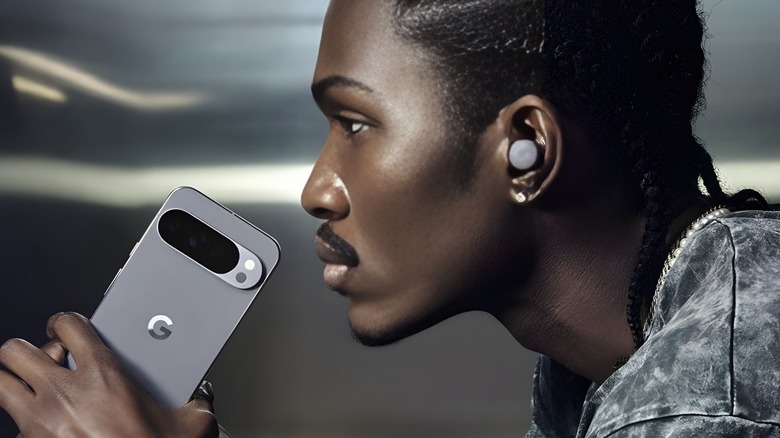
The Google Pixel 10 Pro and Pro XL use the same camera setup, with the main differences being a larger battery capacity and screen in the Pixel 10 Pro XL. Google's approach to photography and video rests on its software more than hardware, focusing on a casual market, but the Pixel 10 Pro and XL rock some great hardware. Its 50 MP main camera uses a slightly smaller sensor than Samsung, but Google's computational photography consistency delivers accurate exposure, natural colors, and strong HDR. It's an all-in-one, reliable point-and-shoot smartphone.
The 5x periscope telephoto lens delivers sharp results within its optical range, with features like Zoom Enhance extending the telephoto functionality with artifacting. Ultra-wide performance is decent, with the help of auto focus to enable macro-style shots that the iPhone 17 Pro isn't consistent with. The Pro XL really excels when photographers need that extra battery life for long shoots, and the larger display comes in handy for on-the-fly edits and reviewing photos.
Video performance is great with 10-bit HDR and stabilized 4K, but it doesn't trump the iPhone 17 Pro. But for $899 new on the 256 GB Pixel 10 Pro and $949 for 256 GB Pixel 10 Pro XL, it's not a big enough difference to warrant the extra spend.
Oppo Find X9 Pro pushes camera hardware
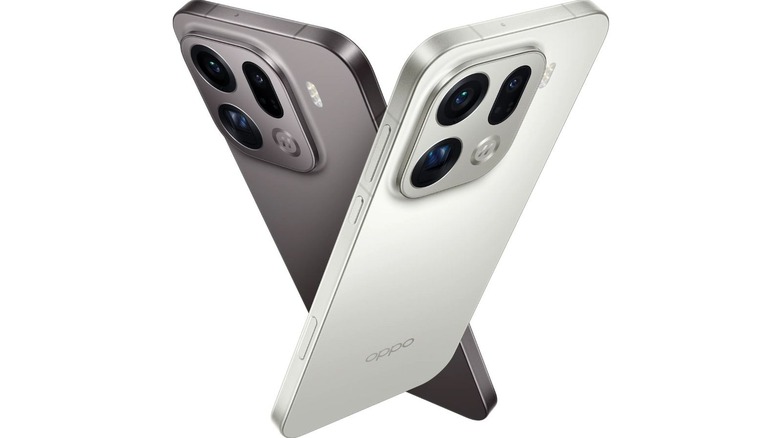
In a surprise twist, the best iPhone 17 Pro alternative for photographers isn't made by Samsung or Google, but Oppo, makers of the world thinnest foldable phone. The specifications are on point, with a 50 MP main camera that has a fast f/1.5 aperture and a large sensor, and the 200 MP periscope telephoto lens delivers exceptional detail and longer focal lengths. For photographers who want the best optical performance from their smartphone camera, this is it.
Oppo has a partnership with Hasselblad, which means color calibration is generally richer and has a cinematic look. Instead of the curated and restrained Apple approach, users have access to manual controls, LOG video support, and high bit rate recording. iPhone 17 Pro is a solid, consistent option, but Oppo gives photographers far more freedom.
The only issue is getting ahold of one. Buyers won't find this phone in Best Buy or Target, Wondamobile. For a $200 saving and specs that either meet or exceed the iPhone 17 Pro, this is a win-win situation. It might be worth noting that Oppo pushes security and firmware updates for the region the phone came from, so users will need to make sure they're buying a model from their region to save language barrier headaches down the line.